Published on November 04, 2025. Article written by . Last updated: November 27, 2025
Mecklenburg County, NC, is a great place to live and work. Whether you own a home or business right in the heart of Charlotte or its suburbs, you should know property ownership comes with a cost beyond the purchase price.
Property taxes in Charlotte are more than a bill. They're the backbone of the schools, roads, and services we enjoy.
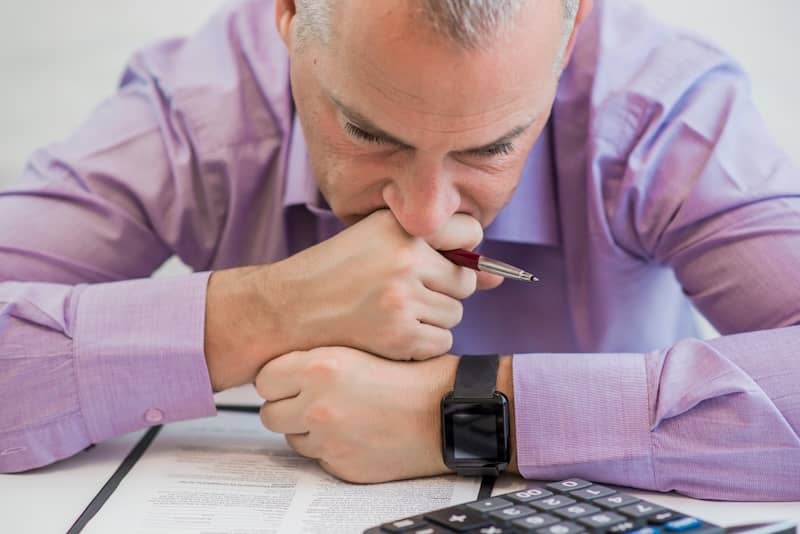
But what if you're falling behind on your property taxes or have missed a payment? The answer is more serious than you might expect. That's why understanding the consequences is so important.
Whether you're facing financial hardship or just forgot a due date, knowing what follows non-payment can help you act before things spiral out of control. Here's what one prominent Charlotte CPA firm wants you to know about your NC property taxes.
You Start Accruing Interest and Penalties
The first result of not paying your North Carolina property taxes is that your tax bill gets more expensive. That's because you immediately accrue interest and penalties on unpaid amounts.
Your account becomes "delinquent" as soon as the payment deadline passes. That deadline is typically January 5 of the year following the assessment. Interest starts building on the unpaid amount at 2% for the first month and 0.75% for each additional month (at the date of this article).
Those extra percentages may not sound like much at first. However, the longer you wait, the faster your balance grows. A few months of missed payments can quickly snowball into a much larger debt.
Playing catch-up feels nearly impossible if you're already dealing with financial challenges. Communicate with your county tax office as early as possible to explore payment options or deferments.
A Tax Lien Is Placed on Your Property
Suppose your tax bill remains unpaid. Then, the local government places a tax lien on your property. A lien is a legal claim that allows the county to secure the unpaid tax amount against your real estate. It impacts your ability to sell or refinance your home until you pay the debt.
In North Carolina, tax liens take priority over most other debts tied to your property, including mortgages. And who gets involved once your mortgage payment is at stake? Your lender. They may pay the taxes themselves to avoid losing their collateral. But that doesn't mean you get off scot-free. You'll have to reimburse them, and often with added fees.
Having a lien on your property also damages your credit profile. It signals to potential lenders or buyers that you have unresolved legal and financial issues, making future transactions more difficult and expensive.
Your Property Could Be Sold at a Tax Foreclosure Sale
If the lien remains unpaid, the county can initiate tax foreclosure proceedings. In a tax foreclosure, your local government sells your house to recoup what you owe.
You'll receive multiple notices before foreclosure, giving you many opportunities to settle the debt. But once the foreclosure is filed, you start running out of options and time.
The tax foreclosure process in North Carolina goes through the court system. If the court grants the foreclosure, your property will be sold at a public auction. Most often, homes sell for far less than market value at auction. Once the sale is finalized, you no longer own the property.
Even worse, you'll likely walk away with nothing from the sale. That's because money from the buyer will go towards paying off your tax debt, court costs, and administrative fees.
You May Lose Your Right to Redeem the Property
One of the final stages in this process is the expiration of your redemption period, which is your last chance to reclaim your property after a foreclosure sale. In North Carolina, this window is typically short, usually 10 days from the filing of the sale confirmation. You still have time to pay the total amount due (including interest and fees) to stop the transfer of ownership during this window.
However, if you haven't acted by the time the redemption period expires, the winning bidder from the tax sale gets the deed to your property. At that point, you lose all rights to the property. The new owner can move forward with eviction if necessary.
It's important to note that redemption timelines and rules can vary slightly by county. Always verify the details with your local tax authority if you're in this situation.
Avoiding Property Tax Issues in the First Place
Prevent tax problems by staying organized and being proactive. Reach out to your county tax collector before taxes are due if you suspect you can't pay. Many counties offer installment plans, hardship exemptions, or deferral programs for elderly or disabled homeowners.
Also, regularly review your tax bill for errors. Mistakes in assessed value, exemption status, or property classification can lead to overcharges. You have the right to appeal if you believe your bill is incorrect. Act quickly to avoid missing deadlines for contesting assessments.
A tax advisor in Charlotte, NC , can assist you with reviewing your bill and meeting filing deadlines.
Key Takeaways for North Carolina Property Owners
To stay on the right side of the law and protect your property, here are a few reminders:
- Know Your Due Dates: Property taxes in North Carolina are due on January 5 of the following year.
- Pay Promptly or Set Up a Plan: Delinquent taxes accrue interest and can quickly lead to legal action.
- Monitor Notices Closely: If you receive a notice about unpaid taxes or foreclosure, act immediately to understand your options.
By staying informed and engaged, you can avoid the serious consequences of non-payment and maintain control over your most valuable asset.
Take Control (Before the County Does)
Not paying your property taxes in North Carolina sets off a chain of events that can escalate quickly—from interest charges and liens to foreclosure and loss of ownership. But with early intervention, clear communication, and an understanding of your rights, you can prevent a tax issue from becoming a disaster.
When it comes to property taxes, doing nothing is the costliest decision you can make. Whether you're behind on a payment or trying to plan ahead, take action now. Protect your property, preserve your credit, and keep your future secure.
Video
Infographic
Falling behind on your property taxes in Charlotte triggers a series of consequences that become more severe the longer they remain unresolved. Read on to discover seven insights about skipping property tax payments in this infographic.